Correct use of a transformer tester requires mastering its core functions, following standardized operating procedures, and selecting the appropriate model based on the specific scenario to ensure accurate measurements and operational safety.

Core Functions of a Transformer Tester
Modern transformer testers are comprehensive devices integrating multiple testing functions, primarily covering the following key testing items:
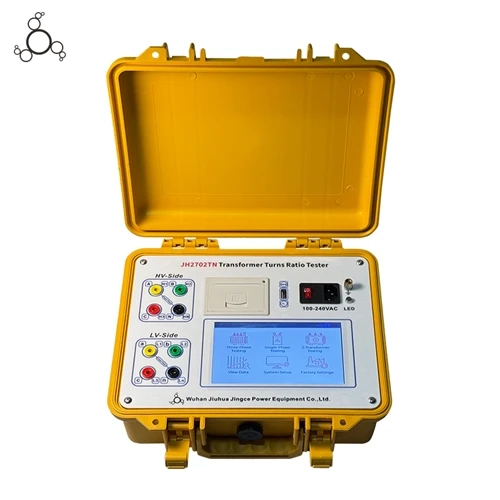
Turning Ratio and Connection Group Test: Measures the voltage ratio between the primary and secondary windings of the transformer, automatically identifies the connection method (e.g., Yyn0, Dyn11), and determines inter-turn short circuits or assembly errors.
DC Resistance Test: Employs constant current source technology to measure the DC resistance of the windings (range up to 1μΩ~20kΩ), used to evaluate winding welding quality, contact resistance, and three-phase balance.
No-Load and Load Loss Test: Measures iron loss through no-load testing and copper loss through load testing, thereby calculating impedance voltage, efficiency, and energy efficiency rating, which is an important basis for judging the economical operation of the transformer.
Capacity Measurement: Passive measurement of transformer capacity (30kVA~65000kVA) without external power supply, commonly used to investigate unauthorized capacity increases.
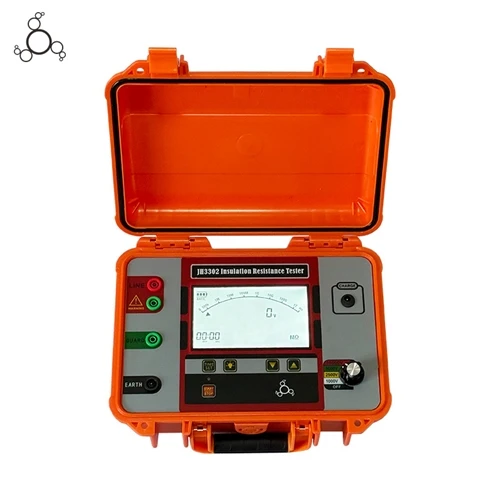
Insulation and Dielectric Loss Testing: Measures winding-to-ground and phase-to-phase insulation resistance, dielectric loss factor (tanδ), and assesses insulation aging.
Intelligent Analysis and Correction: Features multiple automatic correction functions for waveform distortion, temperature, and non-rated voltage/current, improving the reliability of on-site test data.