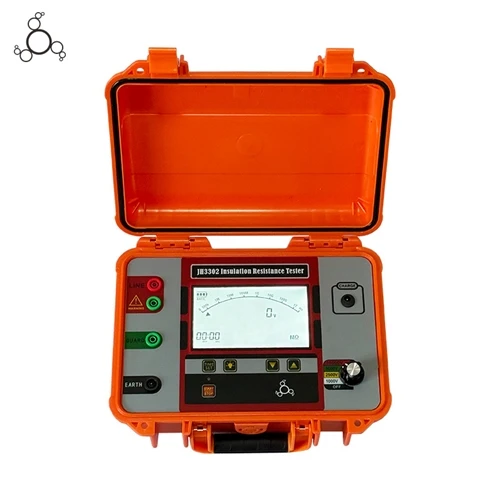
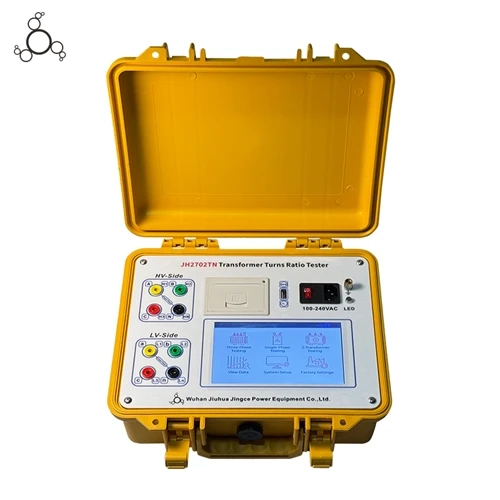
Routine maintenance of transformer testers involves multiple aspects, including visual inspection, correct operation, regular calibration, cleaning, and safe storage, to ensure the measurement accuracy and lifespan of the equipment.
1. Visual Inspection and Connection Check: Before and after each use, check the instrument's appearance for any damage, such as dents, cracks, or broken casing. Pay special attention to accessories such as high-voltage test leads, grounding wires, and power cords, ensuring the insulation is intact and the connections are secure and free from looseness or oxidation.
2. Standard Operating Procedures: Never plug or unplug test leads while the circuit is energized during testing to avoid high-voltage backflow damaging the internal circuitry.
Set the instrument correctly according to the parameters of the equipment being tested, such as rated voltage, turns ratio, and wiring method, to prevent over-range operation.
After measurement, first reduce the voltage and turn off the instrument, then disconnect the power supply and test leads to ensure operational safety.

3. Regular Calibration and Accuracy Assurance
To ensure accurate measurement data, the instrument should be calibrated regularly (ideally annually) by a qualified metrology institution. Focus on verifying key indicators such as dielectric loss factor (tanδ), capacitance, and DC resistance to ensure compliance with national metrological standards. Simultaneously, check that the firmware and software are up-to-date and update them promptly to improve performance.
4. Cleaning and Dust/Moisture Protection
After use, wipe the instrument surface and test leads with a dry, clean, soft cloth to remove dust, oil, or water stains.
Clean the ventilation vents and cooling fan weekly to prevent dust accumulation from affecting heat dissipation efficiency.
For long-term storage, place the instrument in a dry, well-ventilated, and dark environment, with the temperature controlled between 5℃ and 35℃ and the relative humidity ≤70%. Cover it with a dust cover to avoid corrosive gases and strong electromagnetic interference.
5. Power and Battery Management
If the device is equipped with a built-in battery, perform regular charge/discharge tests to prevent depletion or bulging. If not used for extended periods, charge the battery at least once a month to extend battery life. 6. Data Backup and Software Maintenance: After testing, promptly back up measurement data to a secure directory to prevent data loss due to equipment failure. Regularly check and update the equipment software to maintain its operational efficiency and functional integrity.