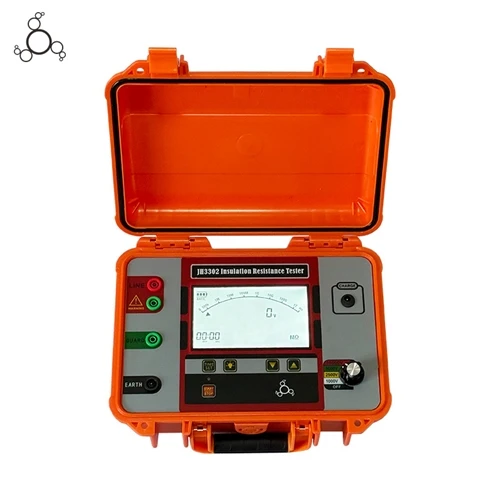
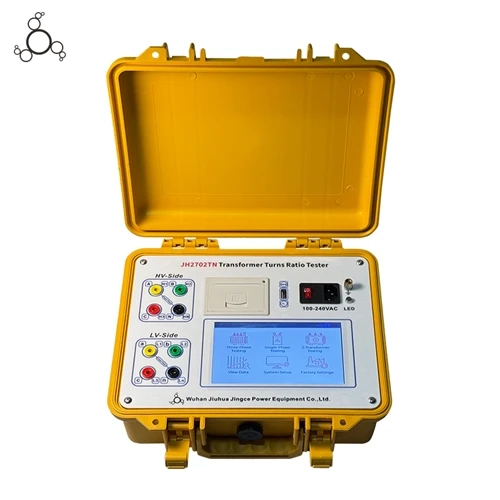
Transformer testers integrate multiple parameter measurement functions such as turns ratio, DC resistance, capacity, and loss. The technology is developing towards intelligence, automation, and integration.
Modern transformer testers have evolved from traditional multi-meter measurement methods to highly integrated intelligent devices, possessing the following core technological characteristics:
Multi-functional Integration: New integrated testers integrate multiple independent test modules such as winding DC resistance, turns ratio group, no-load loss, and insulation characteristics into a single system, supporting one-click automatic testing processes and significantly improving on-site testing efficiency. For example, the TR-MARK III can integrate 10 test modes, achieving "one machine, multiple uses."
High Precision and Anti-interference Capability: Employing high-precision AD converters, digital signal processing algorithms, and automatic correction technologies (such as temperature and waveform distortion compensation), measurement accuracy reaches ±0.1% to ±0.2%. Some devices possess CAT IV safety level and stable operation capability in strong electromagnetic environments, suitable for complex scenarios such as 500kV substations.
Intelligent Operation and Data Management: Equipped with a large-screen Chinese menu, touch buttons, and automatic wiring identification, operation is simplified. Test data can be automatically stored and printed, and synchronized to the management platform via RS232 or cloud, supporting the generation of electronic reports and driving the digital transformation of power operation and maintenance.
Portability and Power Supply Flexibility: Most instruments adopt an AC/DC dual-use design, powered by a built-in lithium battery, eliminating the need for an external three-phase power supply to complete tests, making them particularly suitable for field or temporary operations.