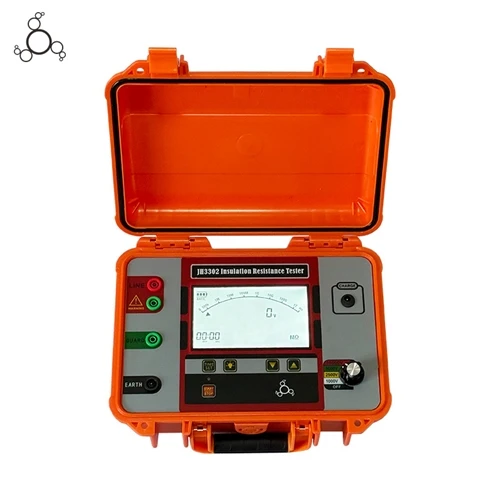
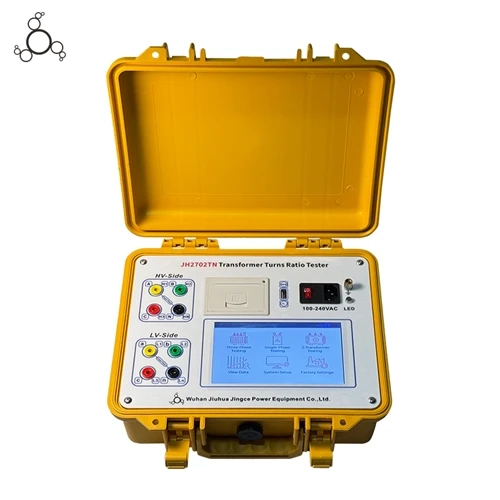
Transformer testers offer significant advantages such as high testing accuracy, ease of operation, high functional integration, and intelligent data management, greatly improving the efficiency and safety of power equipment testing.
Compared to traditional testing methods, the core advantages of modern transformer testers are reflected in the following aspects:
Significantly Improved Testing Efficiency: Traditional testing requires multiple devices (such as the bridge method) for separate measurements, resulting in cumbersome wiring and long processing times. Modern testers support simultaneous testing with a single connection; for example, DC resistance and turns ratio tests can be completed simultaneously, significantly reducing operation time. The integrated intelligent comprehensive testing instrument developed by the State Grid Jiangsu Electric Power Research Institute can even reduce the testing time for a single transformer from 8 hours to 2 hours.

Higher Measurement Accuracy and Stability: Utilizing digital technology and automatic compensation algorithms (such as temperature compensation and waveform distortion correction), human error and environmental interference are effectively reduced. Some instruments achieve a measurement accuracy of ±0.1% to ±0.2% and have functions such as high/low voltage reverse connection and short-circuit protection, ensuring data reliability.
Highly integrated functions, portable and easy to use: The new comprehensive tester integrates multiple testing functions such as DC resistance, transformer ratio, no-load loss, and short-circuit loss into one unit, achieving "one machine for multiple uses." The equipment generally adopts Chinese menus and touch screen operation, supporting automatic data storage, printing, and uploading to the management system, reducing manual workload.
Intelligent data management and diagnostic capabilities: The tester can automatically generate electronic reports and link with systems such as PMS to avoid data omissions and errors. Some high-end equipment can also intelligently analyze the results, with a diagnostic accuracy rate of up to 100%.
High safety, reduced operational risks: Testing is conducted using low-voltage DC power, avoiding the risks of high-voltage operation; it also reduces the number of times wiring at heights, reducing on-site operational safety hazards.