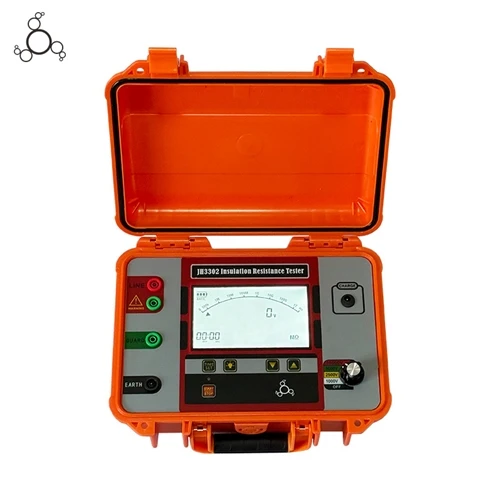
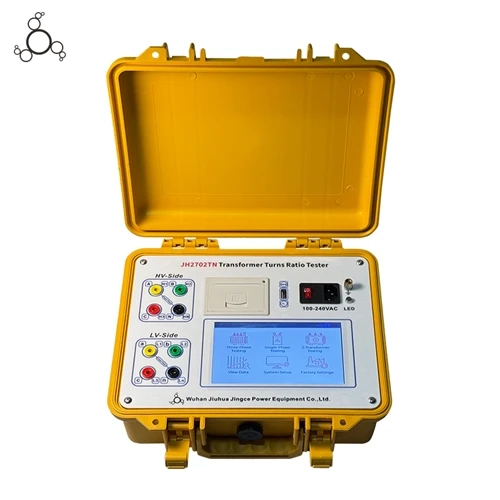
The qualification of a transformer tester is mainly determined by its measurement accuracy, functional integrity, compliance with national standards, and periodic calibration results. The specific judgment methods are as follows:
Measurement accuracy and error range meet standards. Different types of transformers have corresponding allowable error ranges for their testing items. The tester's measurement results must fall within these ranges to be considered qualified:
Turning ratio test error:
35kV and below transformers: error should be ≤±1%
Other voltage levels (e.g., 220kV and above): rated tap position error should be ≤±0.5%
Non-rated tap position: error not exceeding ±1%, or 1/10 of the impedance voltage value
DC resistance test error: Compared with the factory value at the same temperature, the change should not exceed 2%
1.6MVA and above transformers: phase-to-phase difference ≤2%, line-to-line difference ≤1%
1.6MVA and below: phase-to-phase difference ≤4%, line-to-line difference ≤2% If the data measured by the tester exceeds the above ranges, retesting is required, and the instrument or wiring problems must be investigated. 2. Has it undergone regular metrological calibration? The testing instrument is a precision instrument and must be calibrated regularly to ensure accuracy.
It is recommended to send it to a professional metrology institution for calibration annually to ensure compliance with ISO and national metrological standards. Calibration includes verification of the accuracy of parameters such as voltage, current, power, and resistance. Prioritize metrology institutions with high-precision standard equipment and the ability to issue authoritative reports.