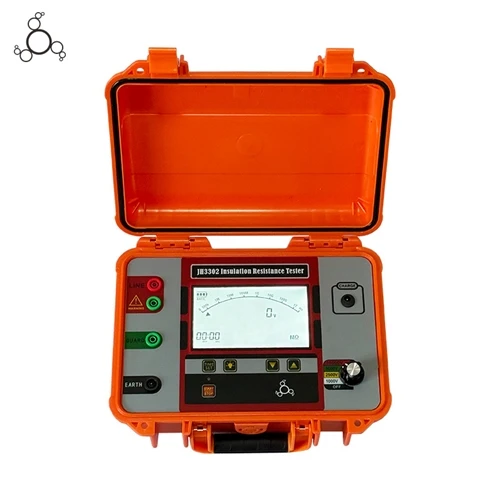
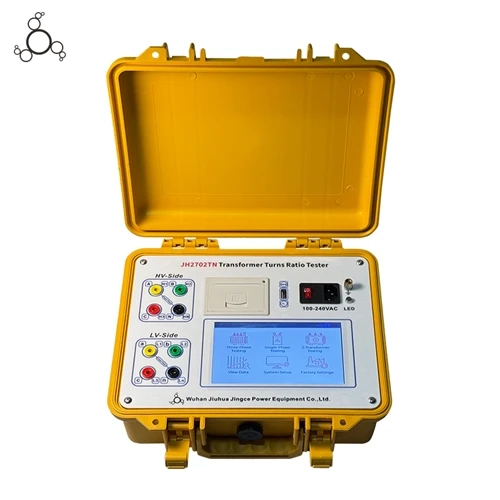
A transformer tester is a specialized device used to measure and analyze the electrical performance of transformers. Its basic characteristics can be summarized as follows:
Multifunctional Integration: Modern transformer testers typically integrate multiple testing functions, such as turns ratio testing, DC resistance measurement, no-load/load loss testing, insulation resistance detection, dielectric loss measurement, and on-load tap changer testing. Some high-end models (such as integrated intelligent comprehensive testers) even integrate 10 functional modules, achieving "one machine for multiple uses."
High Degree of Automation and Intelligence:
Most devices support automatic wiring identification, automatic range switching, automatic current stabilization judgment, and automatic data acquisition and storage. They are equipped with Chinese menus, large-screen LCD or touch interface, and are easy to operate. The testing process can be started with a single button, reducing human intervention.
High Precision and Wide Measurement Range:
Utilizing high-precision sensors and digital signal processing technology, measurement accuracy reaches within ±0.2%, suitable for various power distribution and power transformers from 30kVA to 100,000kVA. Some instruments support harmonic analysis, waveform display, and temperature correction functions, improving measurement reliability.
Portability and Field Applicability:
Mostly portable designs, weighing between 3–12kg, with built-in rechargeable batteries, allowing for on-site testing without external power supply, adaptable to complex environments such as substations, factories, and construction sites.
Comprehensive Safety Protection Mechanisms:
Equipped with overvoltage, overcurrent, back EMF protection, discharge alarm, and high/low voltage reverse connection protection, ensuring the safety of operators and equipment.
Strong Data Management and Output Capabilities:
Supports automatic saving of test data (storing dozens to hundreds of sets), export to USB flash drive, on-site printing with a micro printer, and uploading to the management system via RS232 interface or wirelessly. Some devices can automatically generate electronic reports.
Widely applicable scenarios:
It is widely used in transformer production, handover and acceptance, preventive testing, operation and maintenance, and other processes, and is a key tool to ensure the safe and stable operation of the power system.